How to Choose the Right Bonsai Pot
Selecting the right bonsai pot is about more than appearance. A well-chosen pot supports healthy root growth, complements the tree’s style, and creates balance in the overall composition. Whether you are repotting an established tree or selecting a pot for the first time, understanding internal measurements, depth, shape and finish will help you make a confident decision.
Why Internal Measurements Matter
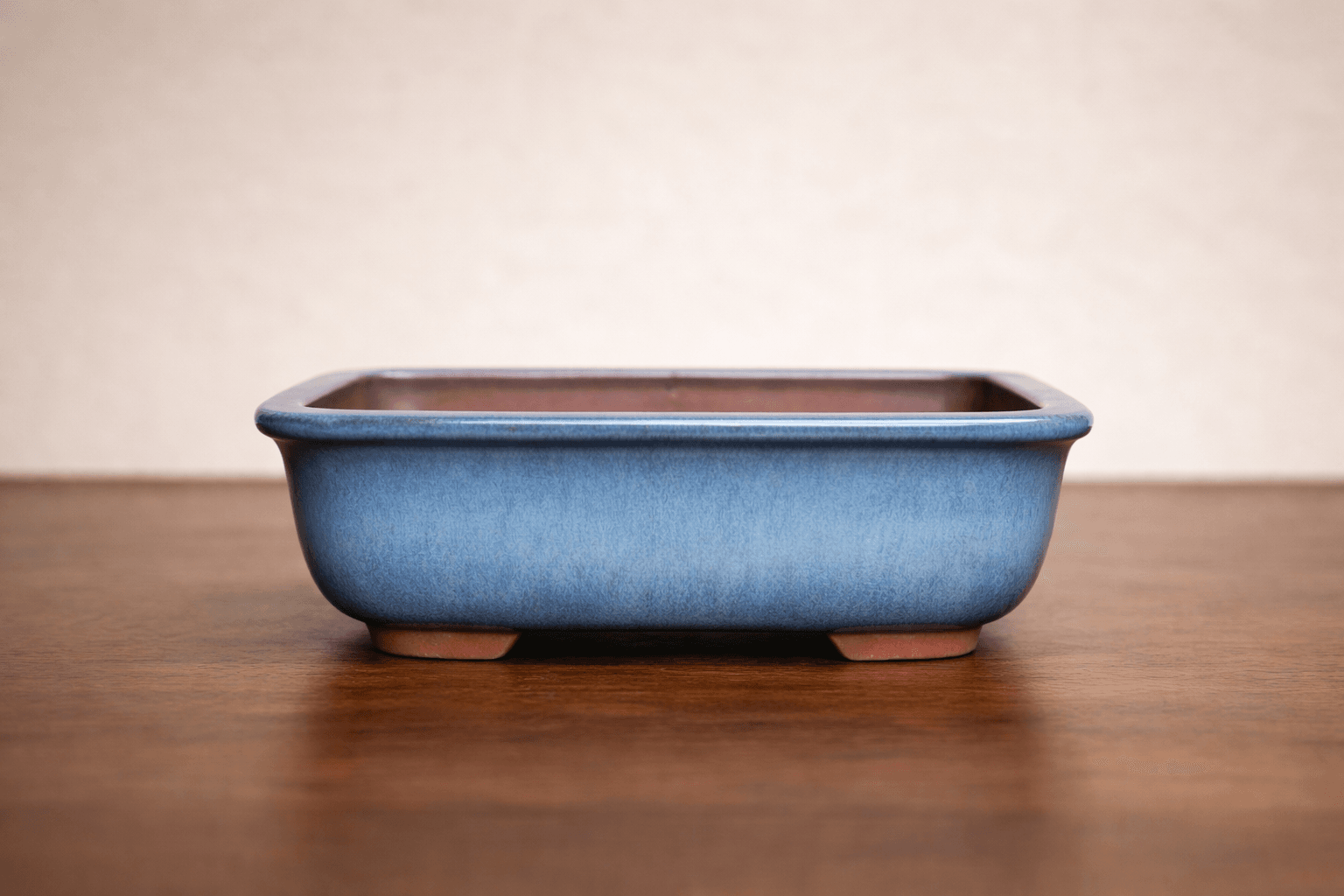
When browsing bonsai pots online, most people look first at the external dimensions. While external size gives you a general idea of scale, it is the internal planting area that truly determines whether a pot is suitable for your tree.
The internal length, width and depth define how much space the root system has to grow. A pot may appear generous from the outside, yet have thick walls that significantly reduce the usable interior space. For shallow bonsai styles, this difference can be crucial.
Root pruning and repotting are part of regular bonsai maintenance, but selecting a pot with appropriate internal measurements reduces stress on the tree and promotes stable growth. If the planting area is too tight, roots can become compacted quickly. If it is too large, the soil may retain excess moisture.
Always measure the root ball of your tree before choosing a pot. Compare those measurements directly with the internal dimensions, not just the external size. This small detail makes a substantial difference in long-term health.
External vs Internal Size Differences
The distinction between external and internal size is often overlooked, yet it is one of the most important considerations when purchasing bonsai pots online.
External dimensions include the outer walls, rim thickness and base structure. These elements contribute to the aesthetic presence of the pot, but they do not represent the usable planting space. Internal dimensions describe the actual area available for soil and roots.
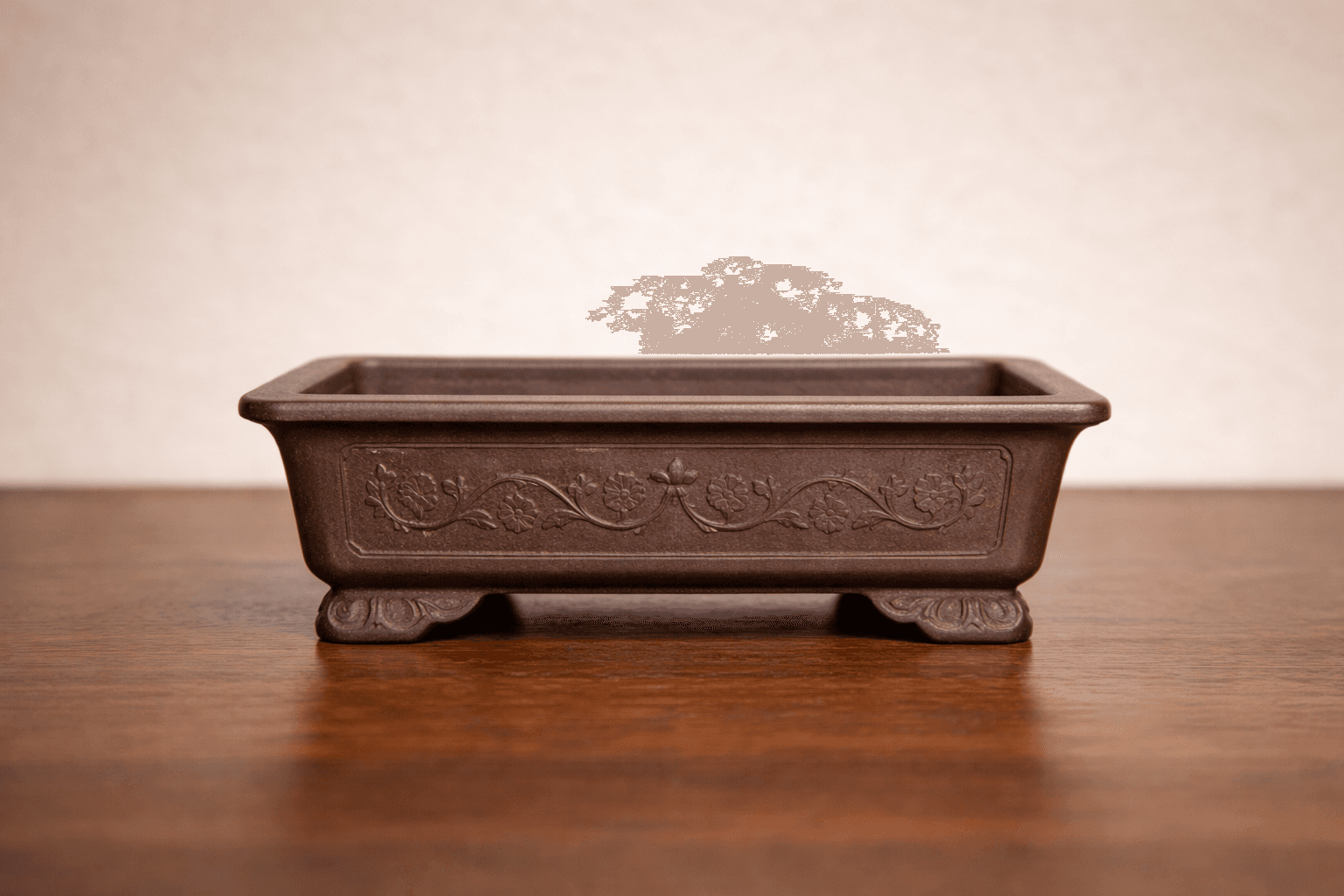
Thicker rims and decorative relief work can reduce interior capacity more than expected. For example, a rectangular pot with a strong carved design may lose several centimetres of planting width due to its structural thickness.
This difference becomes especially relevant when working with trees that have established nebari or wide surface roots. A pot that appears correct in external length may feel restrictive once the root system is placed inside.
Whenever possible, compare both measurements side by side. Understanding this distinction allows you to choose a pot that looks proportionate while still supporting the tree’s horticultural needs.
Choosing the Right Depth
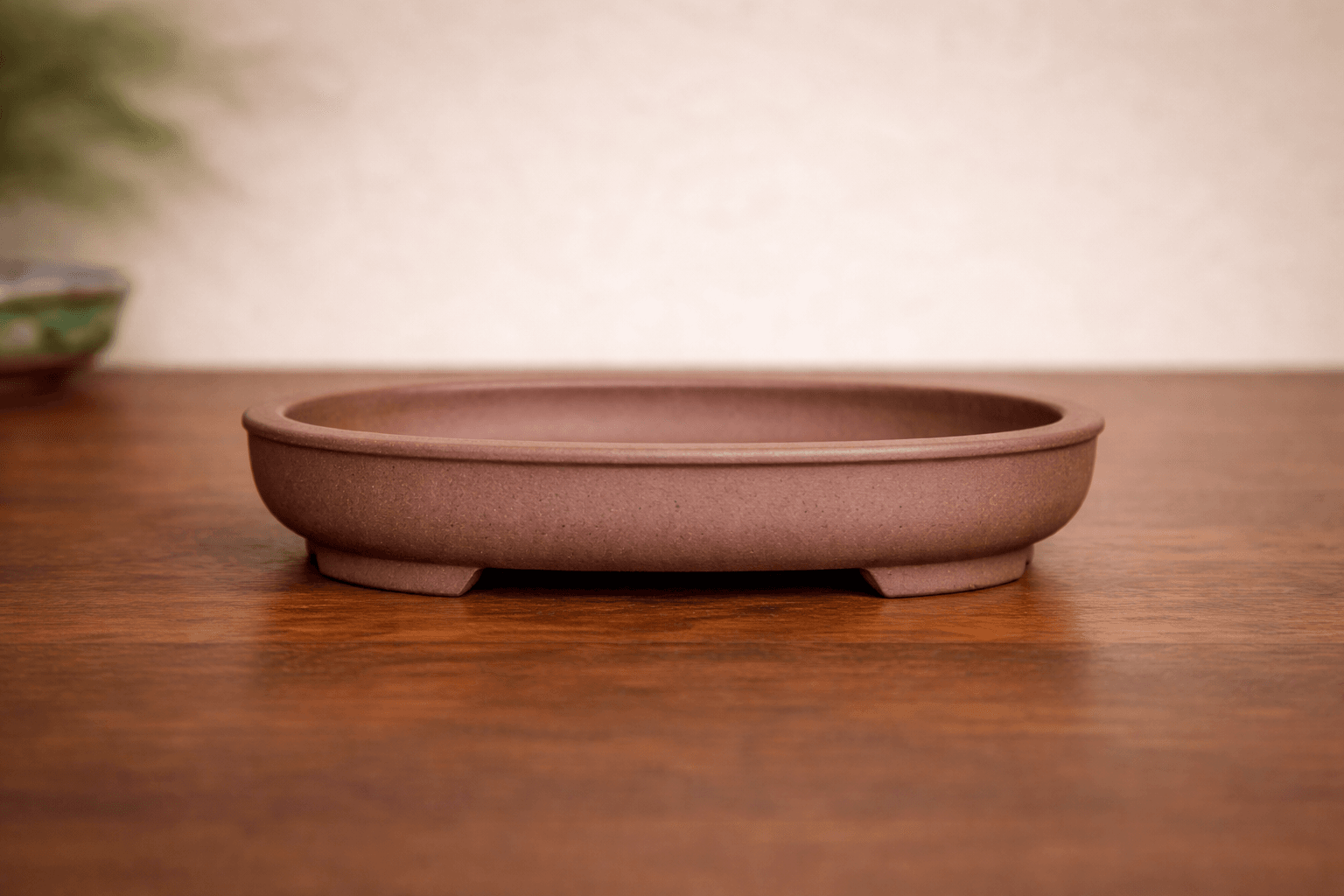
Shallow pots are traditionally used for refined deciduous trees and mature specimens. They create an elegant, grounded appearance and emphasise trunk movement. However, shallow containers also dry out more quickly and require careful watering.
Deeper pots provide additional soil volume, which retains moisture for longer periods. They are often suitable for younger trees, vigorous species or styles that require stronger root development. A slightly deeper pot can also help stabilise taller compositions.
As a general guide, the depth of the pot is often chosen in proportion to the trunk diameter. While there are stylistic variations, this balance helps create harmony between container and tree.
When assessing depth, focus again on the internal measurement. Even small differences of one or two centimetres can affect moisture retention and root spread over time.
Matching Pot Shape to Tree Style
Rectangular pots are commonly used for formal upright and powerful masculine styles. Their strong lines reinforce structure and stability. Trees with straight trunks or angular branching often pair well with this form.
Oval pots offer softer lines and are well suited to informal upright styles. They introduce a gentle flow that complements subtle trunk movement and refined foliage pads.
Round pots are frequently chosen for flowering trees, cascade styles or accent plantings. Their symmetry can enhance delicate compositions and bring attention to seasonal colour.
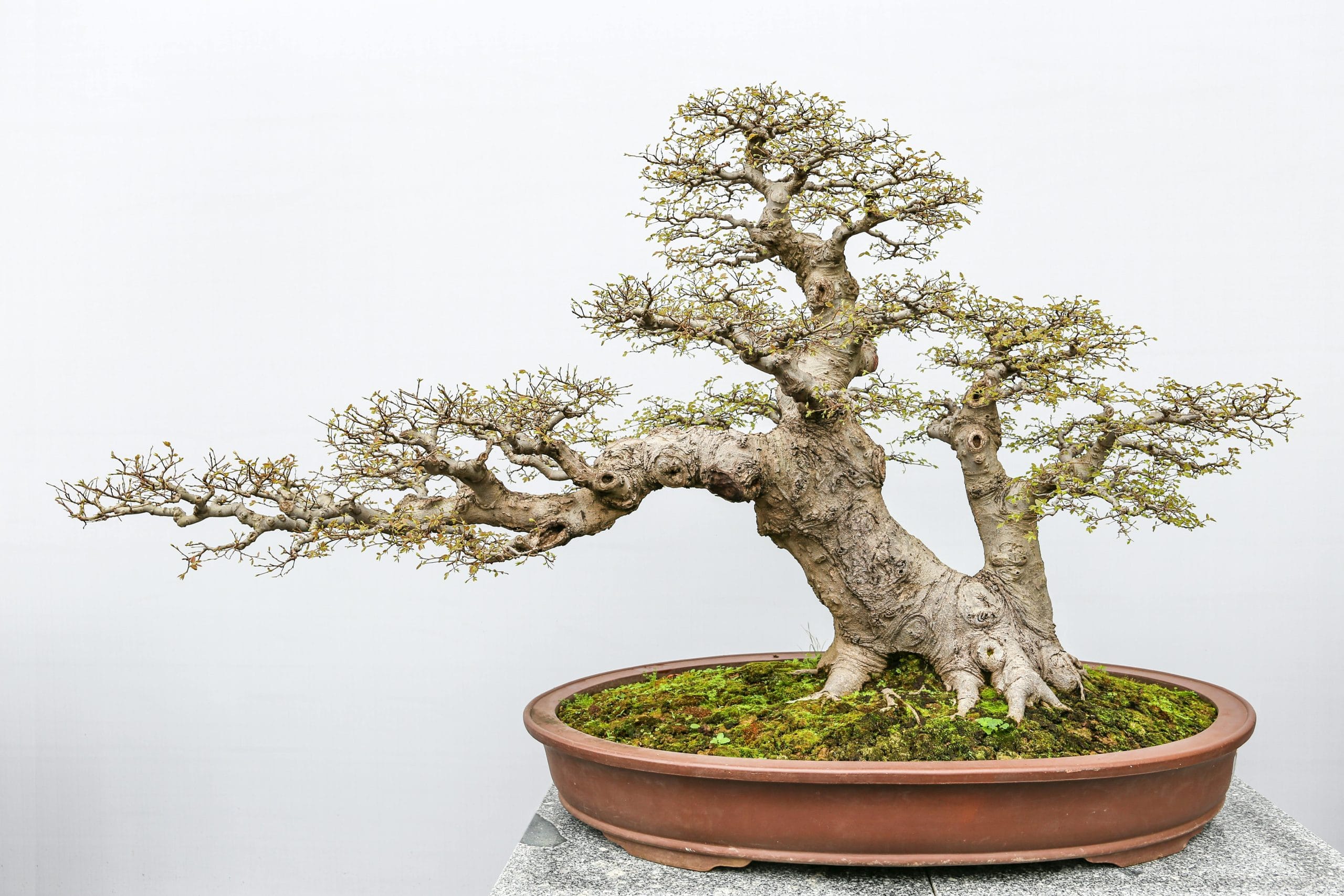
The goal is balance rather than dominance. The pot should frame the tree, not compete with it. When in doubt, opt for subtlety. A well-proportioned container allows the tree to remain the focal point.
Glazed vs Unglazed Pots
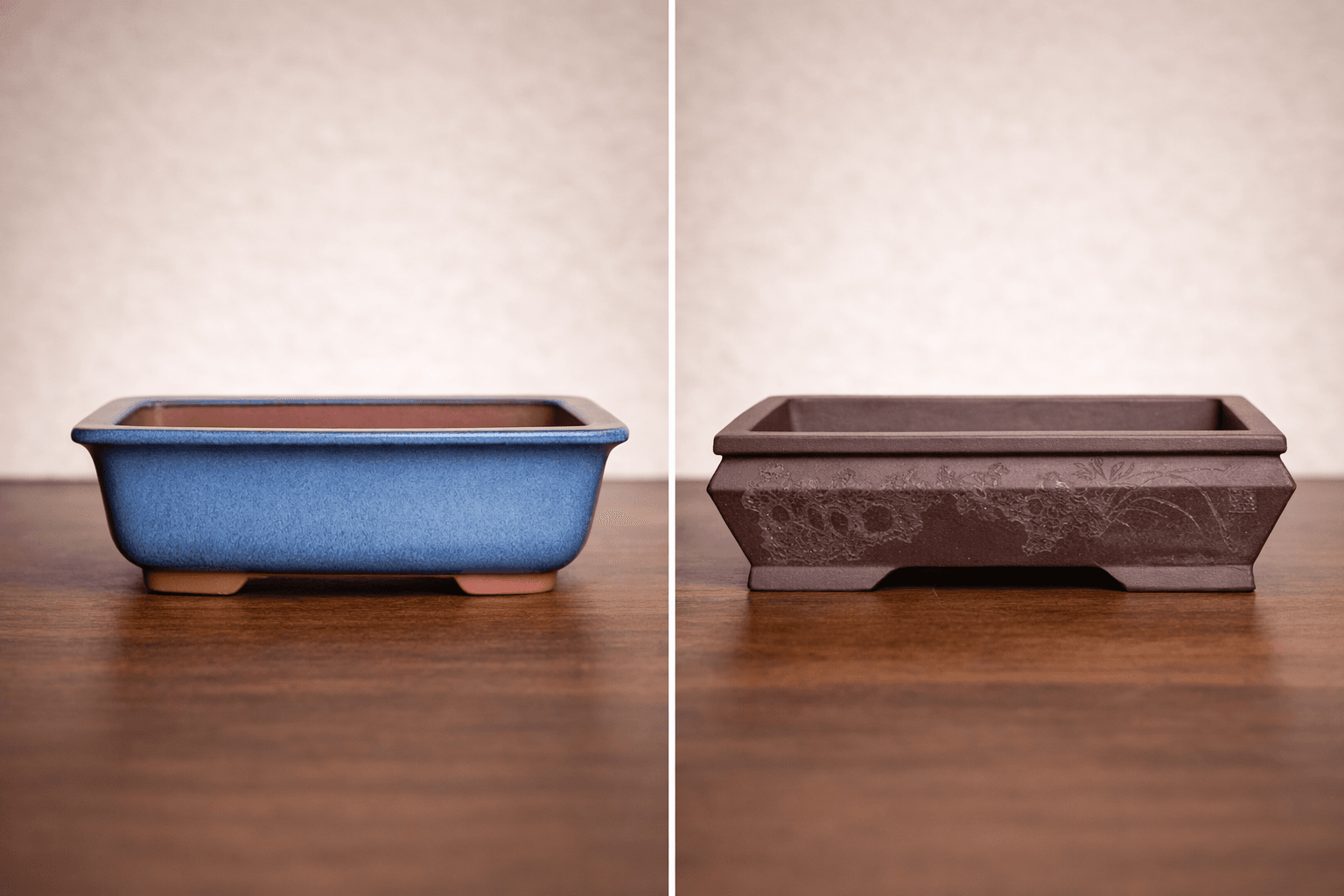
Unglazed pots are traditionally used for conifers and masculine tree styles. Their natural clay tones provide an understated backdrop that enhances bark texture and foliage structure. Earthy browns and muted reds are timeless and versatile choices.
Glazed pots introduce colour and contrast. They are commonly paired with deciduous trees, flowering species and fruiting varieties. A carefully selected glaze can complement seasonal foliage or blossoms, adding another layer of refinement to the display.
When choosing between glazed and unglazed, consider the character of the tree. Strong, rugged trunks often suit natural finishes, while softer branching and vibrant leaves may benefit from a subtle glaze.
Colour should support the tree rather than overwhelm it. Neutral tones remain the safest option, while bold glazes require thoughtful pairing.
A Pot Should Frame the Tree, Not Overpower It
Internal measurements ensure healthy root development. Depth influences moisture balance and stability. Shape reinforces style. Finish enhances character.
When these elements work together, the result feels natural and composed. The tree and pot form a single visual statement rather than two competing objects.
Taking the time to understand these principles allows you to choose confidently and build a collection of containers that truly support your trees.